Team Nomad

  • Home
  • About Us
  • Categories
    • Backpacking
    • City Breaks
    • Far Away Places
    • Tips
    • UK Activities
Contact Us
  • An Eco Retreat: My Unexpected Paradise

    An Eco Retreat: My Unexpected Paradise

    I’m guessing a lot of girls would be impressed with a fancy 5-star luxury break for their birthday weekend; candle lit dinners and champagne, spas and room service.

    (more…)

    Becky

    November 19, 2014
    Backpacking, City Breaks, Far Away Places
    eco retreat, nature retreat, paradise retreat
  • Adventures By Road: Essential Luxuries You Will Need For Your Campervan Holiday
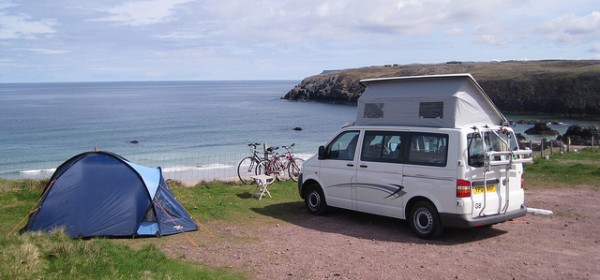
    Adventures By Road: Essential Luxuries You Will Need For Your Campervan Holiday

    There are plenty of ways that you can explore a country when you go on holiday. It has to get said that the best way is by campervan! When you go on a coach or rail tour, you have to stick to a specific itinerary. And when you go by car, you have to find a hotel or campsite to stay at.

    But when you tour a country by campervan, you get to decide where you want to go and how long for. And the best bit? You don’t need to shell out extra money for accommodation because you’re already in it!

    458076196_bfded1d025_zImage obtained from Flickr

    Even though the colder weather is now with us, it still doesn’t mean you can’t explore the UK, Europe or beyond in a campervan. Are you thinking of getting away from it all and hitting the road in your camper? If so, this page is for you!

    One of the things that many campervan drivers seldom think about is the little luxuries they’re used to at home. Did you know there’s no reason you can’t have those same luxuries in your campervan too?

    If you’re about to plan your last-minute getaway, here are a few ideas on the luxuries you need for your home away from home:

    TV

    You might be wondering how on Earth you are going to lug a bulky CRT-style television into your campervan. After all, there is a limited amount of space in there, right? The good news is that such TVs are now a thing of the past!

    Today most people have flat-screen LCD TVs in their homes. You can lift them and carry them around under one arm, and they use far less electricity than their predecessors. The size of LCD TV you get will usually depend on how much space you’ve got to play with in your campervan.

    Most campervan owners fit their LCD TVs onto swivel bases. That way, they can pull them out when they want to use them and then slot them back into place when they don’t. LCD TVs are pretty inexpensive these days. These days you can pick up a 24-inch model with a built-in DVD player for less than £130!

    Satellite dish

    In the UK, all TV programming is now digital. There are dozens of TV channels and radio stations one can tune into, as opposed to just five analogue TV channels in the past. But what if you don’t want to miss your favourite TV programmes on satellite TV?

    The answer is simple: fit a satellite dish and receiver to your campervan! Some people have portable ones that you just mount where you want, like on the roof for example. The only downside is you need to point the dish in the right part of the sky to receive a signal!

    That’s not a big deal because you buy satellite signal detectors from places like eBay or satellite TV shops. All you need to know are the coordinates for your chosen satellite.

    Mobile broadband wireless router

    If you want to unleash your inner geek, you could always invest in a mobile broadband wireless router! In a nutshell, they work in a similar way to your broadband or fibre routers at home. Except that you are using a SIM card and a mobile data connection, of course.

    3G mobile data connections are available in most parts of the UK and beyond. But if you can get it, I recommend getting a SIM card and router that supports 4G. If you happen to be in a 4G-enabled area, your Internet speeds will be as quick as they are at home!

    5606463561_3c8aeb2856_zImage obtained from Flickr

    But what if you’d like an easier way to get online in your campervan? An alternative is to share or “tether” the connection from your smartphone. Devices like the Apple iPhone let you share your mobile data connection by setting up a secure Wi-Fi hotspot.

    They are quick and easy to set up. The only downside is that the service may get disrupted if you have to make or receive phone calls at the same time. Not to mention your device’s battery life going down quicker than usual! Still, it’s a good solution if you want to keep the amount of gadgets you carry with you to a minimum.

    A word on insurance

    As a campervan owner, you need to be aware of the risks involved with having a lot of hi-tech gadgets in your pride and joy. Campervans are sadly a target for thieves as they know people will often take valuables with them on their travels.

    Although you’ve got insurance for your campervan, you should take out a separate policy to cover your gadgets.

    Many people organise gadget cover through their banks at a discounted rate. While others just do a Google search for reputable insurers.

    Security

    There are going to be times where you spend time away from your campervan. To ensure that it and your belongings are safe, I recommend investing in some decent security for it.

    As a bare minimum, you should have an alarm and immobiliser system fitted by a trusted car security firm. Some owners even have small, hidden safes built into their campervans. They do this to store valuables in a secure environment.

    There are other things you can do to minimise the likelihood of your campervan getting broken into:

    • Park in well-lit areas in full view of the general public;
    • Don’t leave any valuables on display;
    • Keep all doors and windows closed and locked when you’re not in your campervan;
    • Park near a CCTV security camera;
    • Avoid areas that look “seedy.”

    They are tips you would usually associate with cars, but they also apply to campervans too. The ugly truth is that campervan break-ins are on the increase. But if you’re savvy about your security and parking habits, you will be fine.

    I hope you have enjoyed reading today’s article on campervan gadgets. Stay tuned for the next instalment on our blog. Thanks for reading!

    Becky

    November 11, 2014
    Backpacking, Featured Posts
  • The Complete Travel Food Guide: What To Eat And Where To Eat It
    The Complete Travel Food Guide: What To Eat And Where To Eat It

    If you adore travel, but are a fussy eater, you’ve got a problem. When you’re traveling the world, you will find that there are loads of different cuisines to try. Some people embrace the experience of experimenting with their food, whilst others find it hard. Here to help you out is a complete guide of what to eat at some of the most-common tourist destinations.

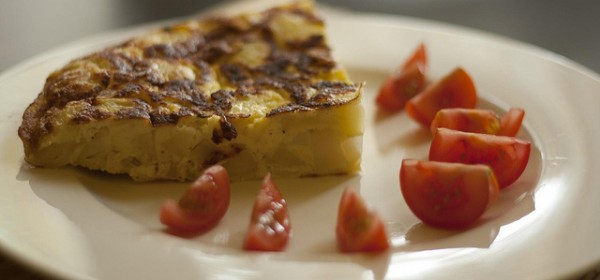
    5845088254_3e2c729d92_zTortilla by Luca Nebuloni

    Spain

    When you visit Spain, there are loads of dishes you must try. The country is famous for its tapas, which usually comes with a glass of red wine. Try some gambas de ajillo (garlic prawns) with a slice of tortilla (spanish omelette).

    Portugal

    Despite the fact that Portugal and Spain are right next door to each other, their food style is quite different. While you are in Portugal, it is important that you try some Tripas moda do Porto (tripe served with white beans). The dish is a favourite in the country and will not disappoint.

    Germany

    When you think of Germany, you likely think about sausages. There is more to German cuisine than bratwursts. One thing about German food is that it is always warm and tasty. Try the eintopf, which is a bit like an English stew or hot pot. The stew has vegetables, meat and broth. It is perfect for the winter.

    Italy

    When in Italy, you must eat the pasta. It might sound stereotypical, but you have never had real pasta until you have it in Italy. Many people think of pasta as a stodgy cheap meal. Whilst that is what the dish has become in England, it is still something of a delicacy in Italy. Try some homemade pesto and pasta at a local restaurant.

    3951757811_8bb1abda23_zPasta with pesto by Shubert Ciencia

    France

    French food is supposedly the finest cuisine in the world. When you travel to France, you have a wide variety of dishes from which to choose. Try some moules marinières (mussels) or the pot-au-feu (beef and vegetable stew). When you are in France, it is customary to eat with a glass of wine or beer. Ordering tap water will look a little odd, so make sure you opt for the house red.

    Turkey

    You rarely hear people talking about Turkish food, which is a little odd. The cuisine is moreish and delicious. It shares in many of the qualities of French and Spanish cuisine, yet few people learn how to make Turkish delicacies. If you are planning a trip to Turkey, you have a lot of things to try. Many of the dishes contain lamb, and so you may struggle if you are a fussy eater.

    Australia

    Australia does not have a wealth of fine cuisine. When you are in Australia, you might struggle to find great places to eat. The country has a mix of Asian and American-influenced dishes that you should avoid trying at all costs. The best thing about Australian cuisine is that you can try different meats. If you are a meat lover, you might want to try some crocodile meat or maybe a little bit of kangaroo.

    4068185518_51bc21ecac_zKangaroo steak by Alpha

    Saudi Arabia

    If you are traveling to Saudi Arabia, you should try some of the local cuisines. The cuisine is a bit like Turkish food. In fact, some of the dishes even overlap. If you have children with you, you might find it hard to find child-friendly dishes in the area. Much of the food is spicy and meaty. If your children are fussy, remember, pizza delivery in Saudi Arabia is quite common. Ordering a pizza for your family might be a good idea, especially if you have children.

    Mexico

    If you think you know Mexican food, you probably don’t. The Mexican style food we have here is likely to be Tex-Mex, rather than actual Mexican. There is a huge difference between the two styles of cuisine, and so you should make sure you know what you’re getting before you order. Try some cochinita pibil (roast pork stew). The meal is tasty and filling, yet not too spicy. You will find that much of the food in Mexico is spicier than you expect it to be.

    America

    If you visit America, you have to go to a typical American diner. There are many 1050’s style American diners across the country, and they are well worth trying. If you’re a fan of hamburgers and fries, you will enjoy eating in a diner. When you are ordering in America, think about the size of your meal. A medium meal in the US is the same size as a large meal in the UK. If you remember that, you should have no trouble.

    Canada

    Many people think that the cuisine in Canada is the same as the cuisine in America. That is not the case. Canadian food includes many dishes that you would never see in America. Poutine is one of the most famous dishes in the country. The dish consists of fries, gravy and cheese curds. You couldn’t call this dish a fine dining experience, but it is certainly interesting. Of course, you should also have some pancakes and maple syrup in Canada.

    Thailand

    Thai food is an acquired taste. You have probably ordered a Thai green curry from your local food delivery woking (or wherever you are) site, but that is no representation of true Thai cuisine. When you are traveling in Thailand, it is important that you try some kuay tieu (noodle soup). You can get the dish from many street vendors in the area, and it never disappoints.

    4307841317_e491e127bd_zSushi by TMAB2003

    Japan

    When in Japan, you must eat some sushi. If you’re not a fish lover, you can always try some vegetarian sushi, which is just as nice. If you are staying in Tokyo, you will find loads of high-class sushi bars from which to choose. Remember, in Japan eating is an event. You must take your time with your food and learn to love it.

    China

    Again, traditional Chinese food is quite different from Chinese takeaway food. You will not find many chicken chow mein dishes in the country. Chinese food often consists of stews and broths with spicy sauces. When you are in restaurants in the country, you should order a dish to share as the meals are large.

    This article was provided by Choco-Lush Blog.

    Becky

    November 10, 2014
    Backpacking, Far Away Places, Featured Posts
  • I’m Crap with Photography – But a Good Camera makes all the Difference!
    I’m Crap with Photography – But a Good Camera makes all the Difference!

    I’m not great with photography. I’m not sure if it’s a patience thing, or a lack of creativity thing. Can I just not be bothered to line up the perfect shot, or am I just unable to see the perfect shot?

    Steve’s really good at stuff like that though. In fact, he’s started an Instagram account for our family and friends, and is deliberately trying to take really cool photos to see if he can get more likes than the last photo posted. Small things and small minds, hey?!

    Me, I’ve taken to taking photos of Steve taking photos, just to amuse myself. Here’s a little sample of my favourites!


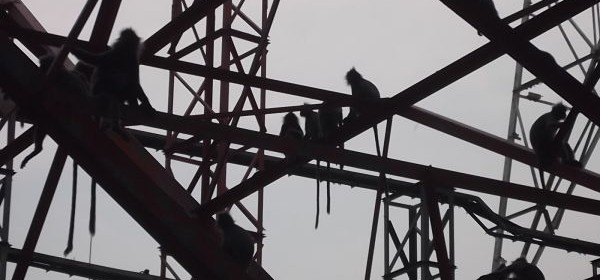
    Steve photographing a monkey in Malaysia
    Steve photographing a monkey in Malaysia


    Photographing hippos in Chiang Mai zoo.
    Photographing hippos in Chiang Mai zoo.


    And, finally, photographing the Petronas Towers in Kuala Lumpur.
    And, finally, photographing the Petronas Towers in Kuala Lumpur.

    But I do believe you can get some really smashing pics out of a really good camera, even if, like me, you’re not all that knowledgeable on photography! And, despite the camera on your trusty old smartphone being high quality, that’s not the main function of a phone, and a proper camera is always best. Check out one of these four options:

    · Point-and-shoot camera (around $200), easy to use and high-quality images.

    · DSLR (around $550), a fancier camera with better images.

    · Mirrorless (around $500), in between the two above.

    · GoPro (around $400), for the truly action-packed trip.

    If you’re a beginner photographer and are fine with that, the point-and-shoot and the GoPro have the shortest learning curves. Up for some learning? DSLR and mirrorless cameras have automatic settings to get you started, but you’ll need to experiment and practice in order to perfectly capture that sunset.

    If you’re accident-prone or expecting to need a tough camera, the GoPro is your best bet. Point-and-shoots can handle a drop onto a soft surface but won’t hold up if dropped on a hard surface. DSLR and mirrorless cameras are both pretty fragile, although mirrorless cameras are very slightly less likely to break. Traveling light? The point-and-shoot and the GoPro are both small and easy to tote around. DSLR and mirrorless cameras both have lenses that you might want to carry with you, and DSLRs are fairly big and heavy, while mirrorless cameras are about the size of a point-and-shoot.

    For the best picture quality, DSLRs and mirrorless cameras have big sensors and interchangeable lenses for very high quality still images. Point-and-shoots also have pretty great image quality, and while it can be tricky to adjust the exposure and white balance right with GoPros, they take really amazing time lapses. The battery life on your point-and-shoot will last you about 190-250 pictures, and DSLRs can shoot still images all day without a recharge. Mirrorless cameras run out of battery incredibly quickly, and GoPros can handle about 2.5 hours of continuous video shooting before dying.

    No matter what your trip entails, you’ll want to capture every moment- and for that, you’ll need the perfect travel camera for the occasion. Say Cheese!

    types-of-camera-for-travel


    Becky

    November 9, 2014
    Backpacking, City Breaks, Far Away Places
  • Something for Everyone: Why Austria Ticks all the Boxes for Every Skier

    Something for Everyone: Why Austria Ticks all the Boxes for Every Skier

    The fantastic thing about the Austrian Alps as a skiing destination, is that it has such a diverse range of resorts and pistes to choose from. This means that if you are trying to emulate Franz Klammer or happen to be a slightly nervous beginner, or maybe you just want to cruise past some stunning scenery at your own pace, you are bound to find a spot that ticks the right box.

    In addition to some great venues and some awesome après-ski as well, you can soon begin to understand why Austria is enjoying a much-deserved resurgence in recent years, especially when you start to compare prices with other European destinations.

    The Austrian Tourist board is keen to entice skiers of all abilities back to the slopes and they recently ran a unique competition in London where you could win a taxi ride to the Wilder Kaiser Brixental region, which is the largest interconnected ski area in the country. Check out the Austrian Quiz Taxi, but if you have missed out that one, here are some of the venues you should consider four next ski holiday.

    Westendorf

    westendorf

    If you are a beginner or still a bit nervous and don’t like crowded pistes, then Westendorf would be a great venue to choose.

    This charming resort has a nursery slope with a very forgiving chairlift and is handily placed in the centre of the village, meaning you are never likely to be too far away from getting started. There is a gondola ride you can take as well, which carries you to the top of a lovely wide blue run, which is not often crowded either.

    Westendorf is a quiet resort but there are some lively après ski bars that you can seek out if you want to and while you are staying at the resort, you definitely feel like part of everyday Austrian life.

    Filzmoos

    filzmoos

    One of the challenges facing families that like to go skiing, is that if they have a posse that is mixture of younger and older children, it can sometimes be difficult to find somewhere that suits all ages.

    Filzmoos answers that problem with some excellent nursery slops for the younger ones and a well-regarded snowboard school for the older ones, together with some family-friendly après-ski bars that will keep everybody happy.

    Galtur

    Galtür_(01)

    If you are an experienced skier and are looking for a bit more a challenge when you hit the slopes, head for Galtur.

    Perched high in the Silvretta Mountains, Galtur and neighbouring Ischgl offer excellent snow prospects and some of the most challenging and daring runs to be found in Austria, in which to put your skiing skills to the test.

    A popular run is Alp Trida, which is a memorable valley route that rewards you with an arrival in the duty-free enclave of Sauman in Switzerland as your reward for navigating the course successfully.

    Challenging black runs are part of the Galtur experience, and will give you plenty to talk about in one of the cosy Alpine bars you can find there.

    These are just a few of the many ski destinations in Austria, where there is definitely something for everyone.

    Katie Hilton is a travel consultant and ski enthusiast. She enjoys sharing her intimate knowledge with the Austrian slope to other ski fans. Her articles usually appear on travel blogs and websites.

    Becky

    November 7, 2014
    Backpacking, Far Away Places
  • Travel and Disease: Things to Know

    Travel and Disease: Things to Know

    One of the best things about setting off on an adventure overseas is the fact that it allows you to kiss goodbye to everyday concerns and focus on having fun. Having said that, there are certain practical issues that you simply can’t afford to ignore – and health is one of them. Given how simple it now is to globe hop, it’s all too easy to forget about the potential medical risks that await travellers in certain parts of the world. This brief guide covers some of the key diseases you have to watch out for when you jet off to far flung locations.

    Ebola

    Unless you have been hiding under a rock for several months, you will know all about the tragic outbreak of Ebola in West Africa. This deadly virus has taken hold in Guinea, Liberia and Sierra Leone, and shock waves are being felt around the world. Some of the luckiest patients have received treatment in first-class medical facilities that benefit from hi-tech clean air and containment equipment such as that provided by Contained Air Solutions. However, the majority of patients have had to make do with rudimentary healthcare or even no treatment at all.

    The World Health Organisation has reported around 10,000 cases and more than 4,900 deaths, making this the largest known outbreak of the disease to date. Travel to areas at risk from the virus is not advised. For further details on this, you can visit the GOV.UK foreign travel advice website. This provides the latest guidance for all countries. Meanwhile, if you are in an at-risk area, you should make sure you wash your hands frequently with soap and water, wash and peel fruit and veg before eating it, avoid physical contact with individuals who show symptoms and avoid crowded areas where people may be affected. You should also avoid handling dead animals or raw meat and stay away from bushmeat.

    fruit travel

    Malaria

    Although not such a topical subject right now, malaria is another disease to watch out for. Each year, around 1,750 people return to the UK with this serious and sometimes fatal condition. It is spread by female mosquitoes that carry the plasmodium parasite.

    If the country you are travelling to is affected by malaria, see your GP before you set off. Your doctor will be able to provide you with the relevant tablets and advice. Also, do your best to avoid mosquito bites during your trip. Insect sprays and mosquito nets can help with this.

    mozzie net

    Travellers’ diarrhoea

    A much more common illness is travellers’ diarrhoea (TD). In fact, this is the most prevalent illness experienced by people who make trips from Britain to developing countries. TD is a general term for infections of the stomach and intestines caused by a range of bacteria or parasites. Many of these cases are caused by salmonella. There is no vaccine to prevent TD, but good hygiene and eating habits help to lower the risk. The foods that are most likely to cause this type of sickness are those that have not be heated thoroughly or those that have been left at room temperature.

    If you find you develop TD, make sure you drink plenty of clean, hydrating fluids. Generally, these bouts only last for a few days. However, more serious cases can last longer.

    Dengue

    If you’re heading to tropical or subtropical areas like the Caribbean, South America or Southeast Asia, dengue fever should be on your radar. This common virus is spread by infected Aedes mosquitoes. These insects typically bite during the day. Symptoms of the disease include a high temperature, headache, pain behind the eyes and aching bones, muscles and joints. In some cases, it also causes a rash.

    Generally, the illness only lasts for a few days and serious complications are rare. There is no antiviral treatment for dengue so the best way to avoid it is to limit your exposure to mosquito bites.

    These are just four of the diseases you have to watch out for when you travel. Others include hepatitis A and B, yellow fever, typhoid and rabies. Before you set off on your next foreign adventure, make sure you’re fully clued up when it comes to potential illnesses. If you’re not sure of anything, you can check respected sources online. You may also need to make an appointment with your doctor to get the necessary tablets or vaccinations.

    Becky

    November 3, 2014
    Backpacking, Far Away Places
  • Essential Backpacking Technology You Don’t Want To Forget

    Essential Backpacking Technology You Don’t Want To Forget

    While the main idea behind backpacking is to travel in the cheapest and most-simple way possible, it would be foolish to overlook essential technology. Just because you’re getting back to basics, that doesn’t mean you should cut yourself off from the world. Indeed, people who backpack are more likely to need the assistance this tech can provide, and so it’s vital you pick up a few gadgets before setting off.

    GPS Trackers

    If you plan to travel to obscure mountainous regions and engage in trekking, it’s a good idea to purchase a GPS tracker. You should keep the tracking device in your bag, and leave the reader at home with a trusted friend or family member. That way, people can find you if you get lost or go missing.

    Satellite Phones

    Satellite phones are very expensive to buy. However, they work in some of the most out-of-the-way locations on the planet. For that reason, you should keep one in your bag at all times. Although you’ll only need to use it in an emergency, it’s still wise to have it around as a backup.

    Smartphones

    There are thousands of travel apps on the market at the moment, and some of them could significantly enhance your experience when backpacking. As the infographic shows, you can source essential information at any time so long as you have a WiFi signal. In fact, you can even find out where the best place to use the toilet might be.

    We hope you will now reconsider your decision to cut yourself off from the world when backpacking next year. Sometimes it’s sensible to have a few tech items with you for safety reasons.


    Infographic Credit Sports Cover Direct

    This article is provided by http://greenmummy.co.uk

    Becky

    November 2, 2014
    Backpacking
Previous Page
1 … 4 5 6 7
Next Page

©2023 All rights reserved.

  • WordPress
  • Twitter
  • Facebook